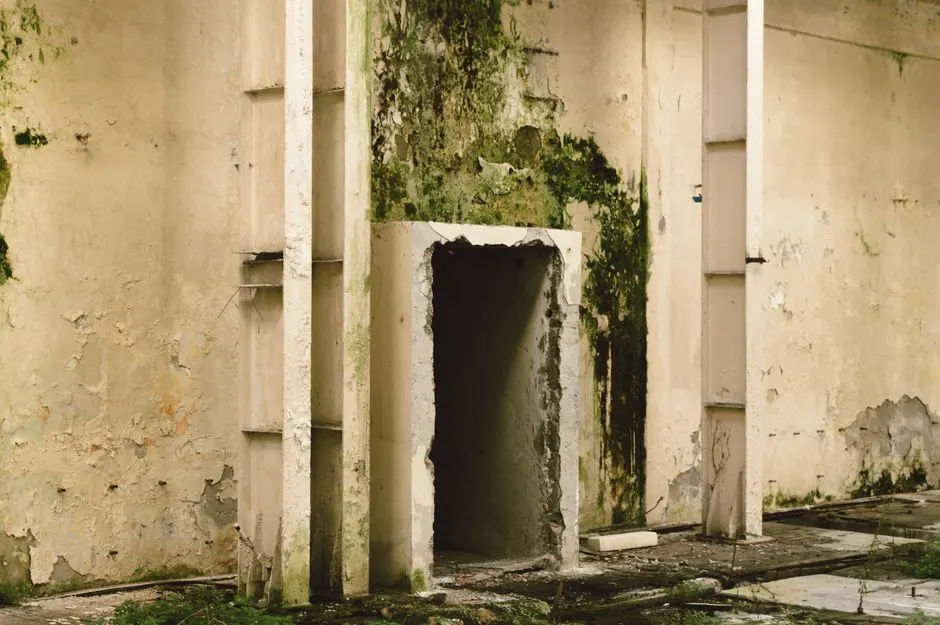
Your bathroom keeps growing mold after cleaning because you are killing the visible spores but leaving the moisture source that feeds them. Mold needs three things to grow: water, organic food (drywall paper, grout, soap scum), and a surface to attach to. When you wipe down the walls and shower but do not fix the underlying humidity problem, new spores land on the same wet surface within 24 to 48 hours and the cycle starts again.
This article explains exactly why bathroom mold keeps coming back in Seahurst, Washington, what causes it, and how to stop it for good. We will cover the specific conditions in Seahurst homes that make mold persistent, the mistakes that keep it returning, and when it is time to call in a professional.
The Real Reason Mold Returns After You Clean
Mold returns after cleaning because household cleaners only remove surface mold, not the moisture that allows it to regrow. Most bathroom sprays kill mold on contact, but they do not dry out the wall cavity, fix a leaking fan, or stop condensation from forming on cold surfaces. Within a day or two, airborne spores land on that same damp spot and colonize it again.
Here is what actually happens when you clean mold without addressing moisture:
- You remove the visible growth - the black or green patches on caulk, grout, and drywall.
- You leave behind moisture - the wall stays damp, the ceiling above the shower stays wet, the floor near the toilet stays humid.
- Spores land again - mold spores are everywhere in the air, both indoors and outdoors. They only need a wet surface to start growing.
- New growth appears in 24-72 hours - often in the same spot or nearby, because the conditions never changed.
For homeowners dealing with bathroom mold removal in Seahurst, Washington, the fix is not more cleaning. It is finding and eliminating the moisture source. That is what we do - we locate the water, dry it out, treat the mold, and verify it is gone.
Why Seahurst Bathrooms Are Mold Magnets
Seahurst bathrooms are mold magnets because the local climate keeps indoor humidity high for most of the year. Seahurst sits on Puget Sound just south of Seattle, where relative humidity averages 75-85% from October through April. That means your bathroom starts with more moisture in the air than a bathroom in a dry climate ever sees.
Add daily showers, baths, and sink use, and the humidity inside your bathroom can spike to 90% or higher for hours. Mold thrives in that range. It grows fastest between 77°F and 86°F, but it can still grow at 60°F - it just takes longer. In Seahurst, the outdoor air is often cool and damp, so opening a window does not always dry things out. Sometimes it makes it worse.
Older homes in Seahurst and the surrounding areas often have:
- Undersized or noisy exhaust fans that move less than 50 CFM (cubic feet per minute) - the minimum for a standard bathroom.
- Fans that vent into the attic or crawl space instead of outside, dumping moisture into the structure.
- Single-pane windows that create heavy condensation on cold mornings.
- Grout and caulk that have cracked or degraded, letting water seep behind tile.
We see this constantly when we perform mold inspection services Seahurst WA. The mold is rarely just on the surface - it is often inside the wall or under the floor, fed by a slow leak or years of trapped humidity.
What Causes Recurring Bathroom Mold in Seahurst
Recurring bathroom mold in Seahurst is caused by one or more of these six issues. Fixing the mold without fixing the cause guarantees it will return.
1. Poor Ventilation
Your exhaust fan should run for at least 20 minutes after a shower and pull moisture outside. If your fan is weak, clogged, or vented into the attic, moisture stays in the room. We test fan airflow on every mold assessment near me Seahurst call, and a failing fan is one of the most common findings.
2. Hidden Water Leaks
A dripping supply line, a loose toilet seal, or a cracked shower pan can keep the wall or floor wet 24/7. Mold grows behind the tile or under the vinyl where you cannot see it. By the time it shows on the surface, the problem has been active for weeks.
3. Condensation on Cold Surfaces
Cold water pipes, toilet tanks, and single-pane windows sweat in humid air. That condensation drips onto nearby surfaces and feeds mold. In Seahurst, this is worst in winter when indoor humidity is high and surfaces are cold.
4. Porous Materials That Stay Damp
Drywall, grout, caulk, and wood are porous. Once they absorb water, they dry slowly. Mold roots (hyphae) grow into these materials, so wiping the surface does not remove the mold - it just removes the part you can see.
5. Incomplete Cleaning
Bleach and most bathroom cleaners kill mold on non-porous surfaces like tile and glass. On porous surfaces like drywall or wood, they only lighten the stain. The mold stays alive inside the material and regrows when moisture returns.
6. High Indoor Humidity From Other Sources
Cooking, drying laundry indoors, and even breathing add moisture to the air. If your bathroom shares a wall with the kitchen or laundry room, that moisture migrates. A whole-home humidity problem needs a whole-home solution.
How to Stop Mold Growing in Bathroom Seahurst Washington
To stop mold growing in your bathroom in Seahurst, Washington, you need to control moisture, remove the mold completely, and verify it is gone. Here is the process we use and recommend.
- Fix the moisture source first. Repair leaks, replace failing exhaust fans, and insulate cold surfaces. If you skip this step, everything else is temporary.
- Dry the space thoroughly. Use a dehumidifier and fans to bring humidity below 50%. Mold cannot grow without moisture.
- Remove mold from porous materials. If mold has grown into drywall, insulation, or wood, those sections usually need to be removed and replaced. Surface cleaning will not work.
- Clean and treat non-porous surfaces. Tile, glass, and metal can be cleaned with a fungicidal cleaner. Let it dwell for the full contact time on the label.
- Improve ventilation. Install a fan rated for your bathroom size - at least 1 CFM per square foot of floor space. A 5x8 bathroom needs a 50 CFM fan minimum. Run it during and for 20-30 minutes after every shower.
- Control humidity year-round. Keep indoor humidity between 30% and 50%. Use a dehumidifier in damp months and crack a window only when outdoor humidity is lower than indoor.
- Verify with testing. After remediation, we use clearance mold testing Seahurst to confirm spore levels are back to normal. This is the only way to know the mold is actually gone.
Typical 2026 pricing for professional bathroom mold remediation in Seahurst ranges from $500 to $2,500 depending on the size of the affected area and whether wall materials need to be replaced. Surface-only cleaning is cheaper but rarely solves the problem.
Common Mistakes That Keep Mold Coming Back
The most common mistake is treating mold like a stain instead of a moisture problem. Here are the errors we see most often in Seahurst homes.
- Using bleach on porous surfaces. Bleach kills mold on tile but not inside drywall or wood. It also adds moisture to the surface you are trying to dry.
- Painting over mold. Paint traps mold against the surface and hides the problem while it spreads. The mold will blister the paint within months.
- Running the fan for only a few minutes. A 5-minute fan run does not remove the moisture from a 15-minute shower. Run it for at least 20 minutes after you finish.
- Ignoring the ceiling and corners. Mold often starts above the shower and in the corners where air does not circulate. Clean and inspect these areas every time.
- Assuming the problem is only in the bathroom. Moisture travels. Mold in the bathroom often means mold in the wall cavity, attic, or crawl space. We find this on many mold remediation services near me Seahurst Washington inspections.
- Not replacing caulk and grout. Cracked caulk lets water behind the tile. If your caulk is peeling or black, remove it, clean the joint, and re-caulk with a mold-resistant product.
When to Call a Professional
Call a professional when mold returns within a few weeks of cleaning, covers more than 10 square feet, or smells musty even when you cannot see growth. Those are signs the mold is inside the wall, under the floor, or in the ventilation system - places you cannot reach with a spray bottle.
You should also call if anyone in the home has allergies, asthma, or a weakened immune system. Mold exposure can trigger respiratory symptoms, and professional removal ensures the spores are contained and removed, not spread through the house.
Our team at Mold Remediation Service Seahurst handles bathroom mold from start to finish. We find the moisture source, remove the mold, dry the structure, and test to confirm it is gone. If you are tired of cleaning the same spots every month, we can break the cycle.
Frequently Asked Questions
Why does mold keep coming back in my Seahurst bathroom?
Mold keeps coming back because the moisture source was never fixed. Cleaning kills surface mold but leaves the damp drywall, leaking pipe, or high humidity that feeds new growth. In Seahurst, our wet climate makes this worse - indoor humidity often stays above 70% for months.
How do I stop bathroom mold after cleaning in Seahurst WA?
Fix the moisture first: repair leaks, run your exhaust fan for 20-30 minutes after showers, and keep indoor humidity below 50%. Then remove mold from porous materials and verify with post-remediation testing. Cleaning alone will not stop it if the surface stays wet.
Is it normal for bathroom mold to return in Seahurst?
It is common but not normal. Mold should not return within weeks if the moisture problem is solved. If it does, there is an active leak, poor ventilation, or hidden mold inside the wall. A professional inspection will find the cause.
Who can help with recurring bathroom mold in Seahurst Washington?
Call a licensed mold remediation company that offers inspection, removal, and clearance testing. Mold Remediation Service Seahurst handles recurring bathroom mold across Seahurst and nearby areas. We find the source, remove the mold, and confirm it is gone.
How much does bathroom mold remediation cost in Seahurst?
In 2026, most bathroom mold remediation in Seahurst costs between $500 and $2,500. Small surface areas cost less; mold inside walls or under floors costs more because materials must be removed and replaced. We provide upfront pricing before any work begins.
Get Help with Mold Remediation Service in Seahurst
If mold keeps returning to your bathroom, the problem is moisture - and we can fix it. Our team at Mold Remediation Service serves Seahurst and the surrounding communities with inspection, removal, and clearance testing.
Call us today at (833) 929-5837 to schedule your bathroom mold inspection. We will find the source, remove the mold, and make sure it does not come back.