Residential Mold Testing in Seahurst, Washington
Lab-backed sampling that finds hidden mold before it spreads
Residential Mold Testing in Seahurst, Washington gives you a clear, lab-verified answer about the air your family breathes. We sample the air and surfaces in the rooms that worry you, send everything to an accredited lab, and walk you through the results in plain language. If you have smelled something musty since the fall rains started, or you are buying a home near Seahurst Beach, this is where to start.
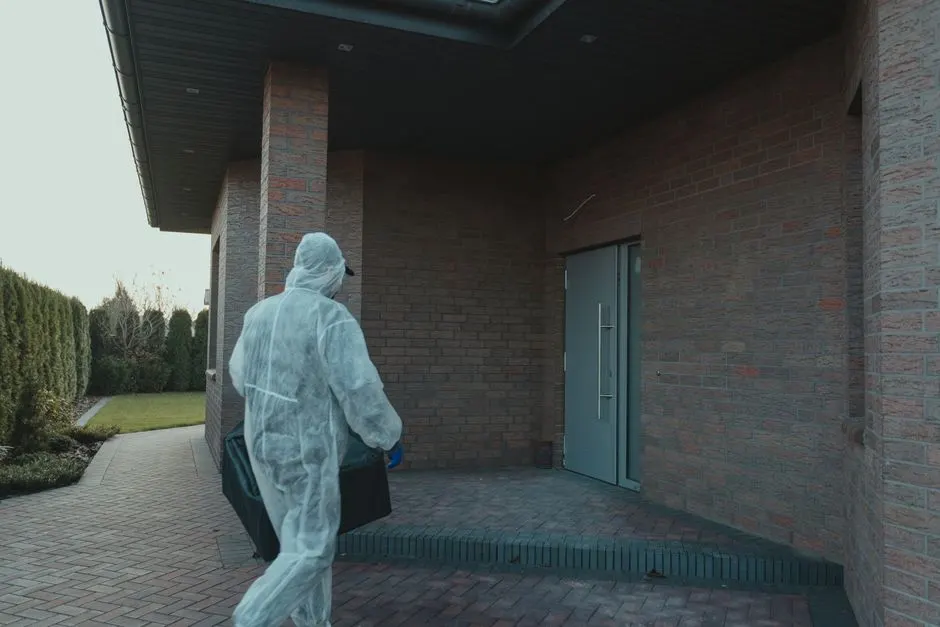
What Residential Mold Testing in Seahurst, Washington Involves
Residential Mold Testing in Seahurst, Washington is a diagnostic service that collects air and surface samples from your home, sends them to an accredited laboratory, and translates the lab report into a clear yes-or-no answer about mold growth. We use a moisture meter and a thermal imaging camera to find the wet spots you cannot see, then take samples from the suspect area and from an outdoor control point so the lab has something to compare against. You get spore counts by type, not a vague smell test.
Seahurst homes sit between Puget Sound moisture and steep, tree-covered lots, and that combination keeps interior humidity high from October through April. Crawl spaces under older houses near Miller Creek stay damp year-round, and attic mold shows up after every heavy rain cycle. If you have been searching for home mold sampling in Seahurst WA because of a musty closet or a stained ceiling, you are dealing with the same conditions we see on most calls. Testing tells you whether the problem is active, dormant, or nothing at all.
Why Seahurst Homeowners Order Mold Testing
Testing turns a guess into a lab report. Here is what that gets you when you live this close to the water.
Know Before You Remediate
Remediation without testing is guesswork, and guesswork gets expensive. Our residential mold testing services Seahurst WA give you spore counts by species, so you know whether you are looking at a small bathroom problem or an active crawl space colony. That report tells you exactly which areas need work and which do not, which usually saves more than the test costs.
Protect Your Family's Air
Mold spores travel through HVAC systems and settle in bedrooms far from the original leak. Testing samples the air in your living spaces, not just the visible stain, so you find out whether contamination has spread. If you have a family member with new allergies or asthma flare-ups since last winter, an air sample gives you a real answer instead of a suspicion.
Support a Real Estate Deal
Buying or selling a home in Seahurst Heights or Eagle Landing? A lab report settles the mold question in writing. Sellers use it to prove a home is clean. Buyers use it to negotiate repairs with evidence. Either way, you walk into closing with documentation instead of a verbal claim from the other side of the table.
Catch Hidden Growth Early
Mold behind drywall or under insulation stays invisible until it has done real damage. A thermal imaging camera reads temperature differences that reveal trapped moisture, and a boroscope lets us look inside wall cavities without cutting them open. Finding growth at week two costs a fraction of finding it at month six.
How Our Residential Mold Testing Process Works
Five steps from your first call to a written lab report. Most homes are sampled in under two hours.
Phone Intake
You call (833) 929-5837 and describe what you have noticed: a smell, a stain, a past leak, or a failed home inspection. We ask about the age of the house, whether it has a crawl space, and when the problem started. That conversation takes about ten minutes and lets us bring the right equipment on the first visit.
On-Site Inspection
A certified inspector walks your home with a moisture meter and a thermal imaging camera, checking the areas you flagged plus the usual suspects: under sinks, around windows, in the attic, and along the crawl space rim joist. This walk-through takes 30 to 45 minutes and usually turns up at least one moisture source the homeowner did not know about.
Sample Collection
We collect air samples with calibrated pumps and surface samples with sterile swabs, always including one outdoor control sample for comparison. A typical home gets three to five samples depending on size and the number of suspect areas. Each sample is labeled, sealed, and logged with the chain-of-custody paperwork the lab requires.
Laboratory Analysis
Samples go to an accredited lab that cultures and identifies spores by genus and count. Turnaround runs 24 to 48 hours for standard analysis, and we can request expedited results when you are in a real estate contingency period. The lab report lists every species found, its concentration, and how it compares to the outdoor baseline.
Results Walkthrough
We call you when the report lands and go through it line by line. You will hear which species are elevated, what that means for your home, and whether remediation is warranted. If it is, we quote the work. If it is not, we tell you that too, and you keep the report for your records.
Five Years of Mold Testing in Seahurst
We have been testing Seahurst homes since 2021, and in that time we have sampled everything from 1920s bungalows near Seahurst Park to new construction in Eagle Landing. Our inspectors hold IICRC AMRT certification for mold remediation and IICRC WRT for water damage, and we work to the ANSI/IICRC S520 standard on every job. We are an IICRC Certified Firm and carry Washington State Department of Labor & Industries contractor licensing. That means the person in your crawl space knows what they are looking at.
- IICRC AMRT certified inspectors trained specifically in mold assessment and remediation
- IICRC WRT certification for tracing water damage to its source before mold returns
- ANSI/IICRC S520 standard followed on every inspection and written report
- Accredited laboratory partners with 24 to 48 hour standard turnaround
- Five years serving Seahurst, Burien, and the surrounding Highline area
Why Choose Our Residential Mold Testing in Seahurst
Plenty of companies will sell you a test. We give you a report you can actually use, from people who know what Seahurst homes look like under the floor.
Lab Results in 24-48 Hours
Standard turnaround is 24 to 48 hours from sample delivery to written report. When you are in a real estate contingency or need an answer before a contractor starts work, we can request expedited lab processing. You get the report by email, and we call you the same day it arrives to walk through it.
Certified, Licensed, Insured
We hold IICRC AMRT and WRT certifications, operate as an IICRC Certified Firm, and carry Washington State Department of Labor & Industries contractor licensing. Our technicians train on the ANSI/IICRC S520 standard. That matters because a mold report is only as good as the person who collected the samples.
Testing Without the Sales Pitch
We test, we report, and we let the lab data drive the recommendation. If your spore counts come back normal, we tell you so and you owe nothing beyond the test. If remediation is warranted, we quote it, but you are free to take that report to any contractor. No pressure, no scare tactics, no inflated findings.
Local Knowledge of Seahurst Homes
We know which neighborhoods flood, which crawl spaces stay wet, and which building styles trap moisture. When you search for residential mold testing near me Seahurst Washington, you want someone who has been in a hundred houses like yours. That local pattern recognition speeds up the inspection and sharpens the sampling plan.
What Residential Mold Testing Includes
Every test includes the inspection, the samples, the lab analysis, and a written report. Add-ons like boroscope inspection or expedited lab processing are available when you need them. Here is what you get as standard.
What's Included
Visual Inspection
A certified inspector walks the home with a moisture meter and thermal imaging camera, checking the areas you flagged plus the usual suspects. This takes 30 to 45 minutes and often finds moisture sources you did not know about. The inspection informs where we sample.
Air Sample Collection
We use calibrated air sampling pumps to collect a known volume of air in each suspect area. Air samples capture spores you are breathing, which is often more useful than surface samples alone. A typical home gets two to three air samples plus one outdoor control.
Surface Sample Collection
Surface samples use sterile swabs or tape lifts to collect visible growth or suspect discoloration. These identify the species growing on a specific surface. We take surface samples when there is visible mold or a stain that looks like it.
Outdoor Control Sample
Every test includes one outdoor air sample to establish a baseline. Mold spores are always present in outdoor air, so the lab needs that number to judge whether your indoor counts are elevated. Without a control, the results are hard to interpret.
Accredited Lab Analysis
Samples go to an accredited laboratory that cultures and identifies spores by genus and count. Turnaround is 24 to 48 hours standard. The report lists every species found, its concentration, and how it compares to the outdoor baseline.
Written Report and Walkthrough
You get a written lab report by email, and we call you the same day it arrives to walk through it. We explain which species are elevated, what that means, and whether remediation is warranted. If it is not, we tell you that too.
Problems Our Residential Mold Testing Solves
Mold problems rarely announce themselves clearly. These are the situations where testing gives you a real answer instead of a guess.
Musty smell with no visible mold
A persistent musty odor usually means active mold growth somewhere you cannot see. Ignoring it lets the colony spread through wall cavities and into HVAC ducts, raising remediation costs and affecting indoor air quality.
We use a thermal imaging camera and moisture meter to find the hidden moisture source, then take air samples in the affected area. The lab report tells you whether mold is active and what species is present. Once we know that, we can target the fix.
Past water leak or flood damage
Mold can colonize wet drywall and insulation within 24 to 48 hours of a leak. Even if the surface looks dry, moisture trapped behind walls feeds growth for months. By the time you see it, the problem is often larger than it appears.
We test the areas around the leak, including inside wall cavities with a boroscope if needed. Air samples confirm whether spores have spread to other rooms. If remediation is needed, we scope it accurately so you are not paying to treat unaffected areas.
Buying or selling a home in Seahurst
Real estate transactions stall when mold is suspected but not documented. Without a lab report, buyers and sellers argue over verbal claims. A failed inspection can kill a deal or force expensive concessions.
Our residential mold testing services Seahurst WA give you a written lab report that settles the question. Sellers use it to prove a home is clean. Buyers use it to negotiate repairs with evidence. Either way, you move forward with documentation.
Health symptoms that might be mold-related
Allergies, asthma flare-ups, and unexplained respiratory symptoms can be triggered by mold spores. Without testing, you are guessing about the cause and possibly treating the wrong problem. Indoor air quality matters, especially in bedrooms.
Air quality and mold testing measures the spores you are actually breathing. We compare indoor counts to an outdoor baseline and identify the species present. If counts are elevated, you have a concrete reason to act. If they are normal, you can rule mold out and look elsewhere.
When to Schedule Residential Mold Testing
You noticed a musty smell in the basement or crawl space after the fall rains started.
We inspect the crawl space with a moisture meter and thermal camera, checking joists, subfloor, and rim joists for dampness. Air and surface samples confirm whether mold is active. If it is, we scope remediation and recommend a vapor barrier and dehumidifier to prevent recurrence.
You get a clear answer about whether the smell is mold, what species it is, and what it will take to fix it. Most crawl space jobs are resolved in one to two days.
You are in a real estate contingency and need mold testing before closing.
We prioritize real estate timelines and can often collect samples within 24 hours of your call. Expedited lab processing returns results in under 24 hours. The written report is detailed enough for your realtor and lender to use in the transaction file.
You close on time with documentation. If mold is found, you have evidence to negotiate repairs or walk away. If it is not, you have proof the home is clean.
You had a pipe burst or appliance leak last winter and want to confirm no mold grew.
We test the areas around the leak, including inside wall cavities if the drywall was wet. Air samples confirm whether spores have spread. If growth is found, we quote remediation and verify with post-remediation testing after the work is done.
You know whether the leak caused a mold problem. If it did, you catch it early when remediation is still small and affordable. If it did not, you have peace of mind and a report for your records.
Your home inspection flagged possible mold in the attic or bathroom.
We inspect the flagged area, confirm whether the discoloration is actually mold, and sample to identify the species. Attic mold often traces back to roof leaks or poor ventilation. Bathroom mold usually means an exhaust fan problem. We identify the cause, not just the symptom.
You get a lab-verified answer and a clear next step. If remediation is needed, we quote it. If the discoloration is just staining or dirt, we tell you that and you save the remediation cost.
Tools and Methods We Use
Tools & Equipment
Moisture Meter
Reads moisture content in drywall, wood, and insulation. We use it to find wet materials that look dry on the surface but are feeding mold behind the scenes.
Thermal Imaging Camera
Detects temperature differences that reveal trapped moisture, missing insulation, and air leaks. It lets us see inside walls without cutting them open.
Boroscope
A small camera on a flexible rod that lets us look inside wall cavities and ductwork. We use it when the thermal camera suggests a problem but we need visual confirmation.
Air Sampling Pump
Draws a calibrated volume of air through a collection medium. This is how we measure airborne spore concentrations and compare them to outdoor levels.
HEPA Vacuum
Captures particles down to 0.3 microns. We use HEPA vacuums during remediation to remove settled spores without spreading them into the air.
Air Scrubber
Filters airborne particles in a contained workspace. We run air scrubbers during remediation to keep spores from migrating to clean areas of the home.
Dehumidifier
Pulls moisture out of the air to dry wet materials and prevent mold from returning. We use Dri-Eaz and Phoenix Restoration units on water damage jobs.
Methods
ANSI/IICRC S520 Standard
The industry standard for mold remediation, covering assessment, containment, removal, and clearance testing. We follow it on every job, which means our process is documented and repeatable. It also means our reports use terminology that other contractors and labs recognize.
Air and Surface Sampling Protocol
We collect both air and surface samples when conditions warrant. Air samples measure what you are breathing. Surface samples identify what is growing on a specific material. Together they give a complete picture of the contamination.
Outdoor Control Comparison
Every test includes an outdoor air sample to establish a baseline. Mold spores are always present outside, so the lab needs that number to judge whether indoor counts are elevated. Without a control, results are hard to interpret.
Chain of Custody Documentation
Each sample is labeled, sealed, and logged with chain-of-custody paperwork. This ensures the lab knows exactly where each sample came from and that it was handled properly. It also makes the report defensible if you need it for a real estate transaction or insurance claim.
How Residential Mold Testing Works in Seahurst
Seahurst sits in a marine climate with wet winters and humid summers, and that shapes how mold behaves here. Homes near Seahurst Beach and Marine View deal with salt air and persistent dampness. Houses up the hill in Seahurst Heights and Gregory Heights often have crawl spaces that stay wet year-round because of clay soil and poor drainage. Older homes near Miller Creek tend to have original insulation and minimal vapor barriers, which makes them more prone to hidden growth. We test for these local patterns. If you are searching for home mold sampling in Seahurst WA, you want someone who knows what a 1950s crawl space looks like after a wet winter. We also follow Washington State Department of Labor & Industries contractor requirements and work to the ANSI/IICRC S520 standard. That means our testing and reporting meet the same benchmarks used by lenders, realtors, and remediation contractors across the state.
Service Areas
Homes this close to the water deal with salt air and high humidity. We often find mold on exterior walls and in crawl spaces that do not get enough ventilation.
Newer construction with tighter building envelopes can trap moisture if ventilation is undersized. We check HVAC systems and bathroom exhaust fans during testing.
Hillside homes often have crawl spaces that stay damp because of groundwater movement. We test rim joists and subfloor sheathing where moisture accumulates.
Older homes near the creek tend to have original insulation and minimal vapor barriers. We use boroscopes to check wall cavities that may have been wet for years.
Larger lots with mature trees mean shade and leaf litter that keep roofs and siding damp. Attic mold is common here after heavy rain cycles.
Local Considerations
Wet winters from October through April
Interior humidity stays high for months, which gives mold a long window to colonize. We test more aggressively in crawl spaces and attics during this season because those areas dry out slowest.
Clay-heavy soil and poor drainage
Water pools against foundations instead of draining away. That keeps crawl spaces and basements damp year-round. We check foundation walls and floor drains for signs of chronic moisture.
Older housing stock with minimal vapor barriers
Homes built before the 1980s often lack modern moisture control. Ground moisture rises into crawl spaces and condenses on joists. We test those areas first because they are the most common source of hidden mold.
Marine air and salt exposure near the water
Salt air accelerates corrosion and keeps exterior surfaces damp. We check exterior walls, window frames, and crawl space vents for moisture intrusion that leads to mold growth.
Musty Hallway Traced to Shower Leak
A homeowner in Seahurst Town Center noticed a musty smell in the hallway but could not find visible mold. The smell had been building for months, and they were worried about a hidden leak. A thermal camera revealed moisture behind the bathroom wall.
We collected three air samples and one surface sample. The lab report showed elevated Cladosporium spores indoors compared to the outdoor control. The source was a slow shower valve leak. After fixing the leak and remediating the wall, post-remediation testing confirmed normal spore counts.
Maintenance & Follow-up
The homeowner now runs the bathroom exhaust fan for 20 minutes after every shower and checks under the sink monthly for drips. Catching the leak early kept the remediation scope small.
A home in Seahurst Heights showed dark staining on attic sheathing after a wet winter. The homeowner was not sure if it was mold or just water stains. They wanted testing before committing to remediation.
We inspected the attic with a moisture meter and collected surface samples from the stained sheathing. The lab identified Aspergillus, confirming active mold growth. We remediated the affected sheathing, improved attic ventilation, and verified clearance with post-remediation testing.
Maintenance & Follow-up
The homeowner added ridge vents and checks the attic each spring for new staining. Proper ventilation keeps the sheathing dry and prevents mold from returning.
A 1950s home near Miller Creek had a persistent musty odor that got worse in winter. The crawl space had no vapor barrier and the joists felt damp. The homeowner suspected mold but had no proof.
We collected air samples in the crawl space and living area, plus a surface sample from the joists. The lab confirmed elevated Penicillium and Aspergillus. After remediation, we installed a vapor barrier and dehumidifier. Post-remediation testing showed indoor spore counts back to normal.
Maintenance & Follow-up
The dehumidifier runs year-round and the homeowner checks the crawl space each fall before the rainy season. Keeping the space dry is the key to preventing recurrence.
How much does residential mold testing cost in Seahurst Washington?
Most residential mold testing in Seahurst runs $250 to $600 for a standard home with three to five samples. Price depends on square footage, how many suspect areas you have, and whether you need expedited lab results. Air samples run less than surface samples, and a crawl space add-on adds roughly $75 to $150. We quote the full price before we start, so there is no surprise on the invoice.
What is included in residential mold testing in Seahurst WA?
Every job includes a visual inspection with a moisture meter and thermal imaging camera, air and surface sample collection, one outdoor control sample, accredited laboratory analysis, and a written report with species identification and spore counts. We also include a phone walkthrough of the results. If you want a boroscope inspection inside wall cavities, that is available as an add-on.
How long do residential mold testing results take in Seahurst?
Standard lab turnaround is 24 to 48 hours from the time samples arrive at the laboratory. We typically collect samples in the morning and deliver them the same day, so most clients have results within two business days. Expedited processing is available for real estate deadlines and usually returns results in under 24 hours for an additional lab fee.
Do I need residential mold testing in Seahurst Washington?
You need testing if you smell something musty, see discoloration on drywall or ceiling tiles, have had a water leak or flood in the past year, or are buying a home in Seahurst. Visible mold does not always mean a big problem, and hidden mold does not always show itself. Testing is the only way to know whether growth is active and how far it has spread.
Certifications and Reviews
Certifications
Reviews
They tested our crawl space after we noticed a musty smell. The inspector was thorough, explained everything, and had the lab report back in two days. Turned out we had elevated Aspergillus. They quoted remediation but did not pressure us. We hired them and the post-test came back clean.
We were in a real estate contingency and needed mold testing fast. They came out the next morning and had the report back in 36 hours. The report was detailed and our realtor used it in the file. No mold found, which let us close with confidence.
After a pipe burst last winter, we wanted to make sure no mold grew. They tested the area and found elevated spores behind the wall. Fixed the leak, remediated, and verified with a post-test. Professional and honest from start to finish.
Related Services
Mold Inspection Near Me
A full visual inspection pairs with testing to map where mold is growing and why. We check the attic, crawl space, bathrooms, and under sinks, then recommend sampling only where it is warranted. Most Seahurst inspections take 45 to 60 minutes.
Mold Inspection Near MeMold Inspection
Our standard mold inspection covers the whole house, including areas you would not think to check. We use moisture meters and thermal cameras to find hidden dampness, then document everything in a written report. It is the natural first step before sampling.
Mold InspectionMold Testing
Testing is the lab side of the equation. We collect air and surface samples, send them to an accredited lab, and give you species-level results. If you already know where the problem is, testing confirms whether it is active and how severe.
Mold TestingMold Testing Near Me
If you are searching for mold testing near me in the Seahurst area, we cover the whole Highline region. Same-day appointments are often available, and we bring all sampling equipment on the first visit so you are not waiting on a second trip.
Mold Testing Near MeCertified Mold Inspector
Our inspectors hold IICRC AMRT and WRT certifications and follow the ANSI/IICRC S520 standard. That means the person collecting your samples has documented training in mold assessment, not just a clipboard and a flashlight.
Certified Mold InspectorBlack Mold Inspection
Black mold growth is a specific concern that deserves targeted sampling. We identify the species present, confirm whether it is toxigenic, and measure spore counts against an outdoor baseline. If it is Stachybotrys, you will know from the lab report, not from a guess.
Black Mold InspectionHome Mold Inspection
A home mold inspection covers the entire property, from crawl space to attic. We look for water intrusion points, past repairs, and conditions that feed mold. It is the most thorough option before you commit to testing or remediation.
Home Mold InspectionCommercial Mold Inspection
Commercial properties have different ventilation, occupancy, and liability concerns. We test offices, retail spaces, and multi-family buildings in the Seahurst area with the same lab-backed approach, scaled to the size of the building.
Commercial Mold InspectionMold Remediation Company
When testing confirms active growth, remediation is the next step. We remove contaminated materials, treat surfaces with antimicrobial solutions, and verify the work with post-remediation testing. Every job follows the ANSI/IICRC S520 standard.
Mold Remediation CompanyEmergency Mold Testing Services
After a burst pipe or a sewage backup, you need answers fast. Emergency mold testing gets samples collected the same day and rushed to the lab. We prioritize these calls because mold can colonize wet drywall in 24 to 48 hours.
Emergency Mold Testing ServicesSame Day Mold Testing
Same day residential mold testing in Seahurst is available when you call before noon. We collect samples that afternoon and deliver them to the lab the same day. Results typically come back within 24 to 48 hours, faster if you request expedited processing.
Same Day Mold TestingBasement Mold Inspection
Basements in Seahurst tend to stay damp because of our high water table and clay-heavy soil. We inspect foundation walls, floor drains, and rim joists for moisture and growth, then sample where conditions suggest active mold.
Basement Mold InspectionAttic Mold Testing And Removal
Attic mold usually starts with a roof leak or poor ventilation. We test the sheathing and insulation, identify the species, and if remediation is needed, remove contaminated materials and restore proper airflow. Most attic jobs are caught before they reach the rafters.
Attic Mold Testing And RemovalAir Quality And Mold Testing
Air quality testing measures the spores you are breathing, not just the mold you can see. We take indoor and outdoor samples, compare counts, and tell you whether your indoor air is elevated. This is the most useful test when you smell something but cannot find it.
Air Quality And Mold TestingMold Remediation Near Me
If testing confirms mold, remediation near you means a crew that knows Seahurst homes. We set up containment barriers, run air scrubbers with HEPA filters, and remove contaminated materials. Post-remediation testing confirms the job is done.
Mold Remediation Near MeCrawl Space Mold Removal
Crawl space mold is common in Seahurst because of year-round ground moisture. We test the joists and subfloor, then remove growth and treat the space with antimicrobial solutions. A dehumidifier and vapor barrier usually prevent it from coming back.
Crawl Space Mold RemovalBathroom Mold Removal Service
Bathroom mold grows fast in our humid climate. We test the caulk lines, grout, and ceiling, then remove affected material and treat the surfaces. Proper exhaust fan ventilation is the long-term fix, and we check that during the inspection.
Bathroom Mold Removal ServiceToxic Mold Removal
Toxic mold exposure is a real concern when Stachybotrys or Aspergillus is present. We test to confirm the species, then remove contaminated materials under containment with HEPA filtration and personal protective equipment. Post-remediation testing verifies clearance.
Toxic Mold RemovalMold Abatement
Mold abatement is the physical removal of mold-contaminated materials. We follow the ANSI/IICRC S520 standard, use containment barriers and negative air machines, and dispose of debris properly. Testing before and after confirms the work.
Mold AbatementProfessional Mold Removal
Professional removal means more than wiping surfaces. We remove porous materials, HEPA vacuum the area, apply antimicrobial solutions, and verify with post-remediation testing. If mold comes back, we want to know why, not just clean it again.
Professional Mold RemovalMold Cleanup Near Me
Mold cleanup near you in Seahurst means a crew that can be on site quickly. We handle everything from small bathroom spots to full crawl space jobs. Testing tells us the scope, and cleanup removes the problem at the source.
Mold Cleanup Near MeWater Damage Mold Remediation
Water damage and mold go together. We trace the moisture source, dry the structure with dehumidifiers and air movers, then test for mold before and after remediation. Fixing the water first is the only way to stop mold from returning.
Water Damage Mold RemediationMold Spore Testing
Mold spore testing measures airborne concentrations by species. We take indoor samples and an outdoor control, then compare the two. Elevated indoor counts mean active growth somewhere in the home, even if you cannot see it.
Mold Spore TestingPost Remediation Mold Testing
After remediation, post-remediation testing confirms the work succeeded. We sample the same areas and compare results to the pre-remediation baseline. Clearance testing protects you and gives you documentation that the job is complete.
Post Remediation Mold TestingMold Fogging Treatment
Fogging treatment uses a fine mist of antimicrobial solution to reach surfaces that wiping cannot. It is useful after remediation to treat residual spores in HVAC systems and wall cavities. We use it as a supplement to physical removal, not a replacement.
Mold Fogging TreatmentDry Ice Blasting Mold
Dry ice blasting removes mold from wood framing and concrete without chemicals or abrasive media. It is fast, clean, and leaves no residue. We use it on structural surfaces where traditional removal would cause damage.
Dry Ice Blasting MoldAffordable Mold Remediation
Affordable does not mean cheap. We scope the job accurately so you are not paying for work you do not need. Testing first keeps remediation costs down by targeting the actual problem areas instead of treating the whole house.
Affordable Mold Remediation24 Hour Mold Removal
Mold removal within 24 hours matters after a flood or pipe burst. We mobilize quickly, set up containment, and remove contaminated materials before growth spreads. Emergency testing can run alongside the removal work.
24 Hour Mold RemovalOdor Removal Mold
Musty odors are often the first sign of hidden mold. We test the air to confirm whether mold is the source, then remove the growth and treat the area. Odor removal without fixing the mold is temporary at best.
Odor Removal MoldSchedule Residential Mold Testing in Seahurst, Washington
If you smell something musty or you are buying a home near the water, get a lab-backed answer. We are IICRC certified, licensed in Washington, and we quote the full price before we start. Call (833) 929-5837 and we will get samples collected this week.